
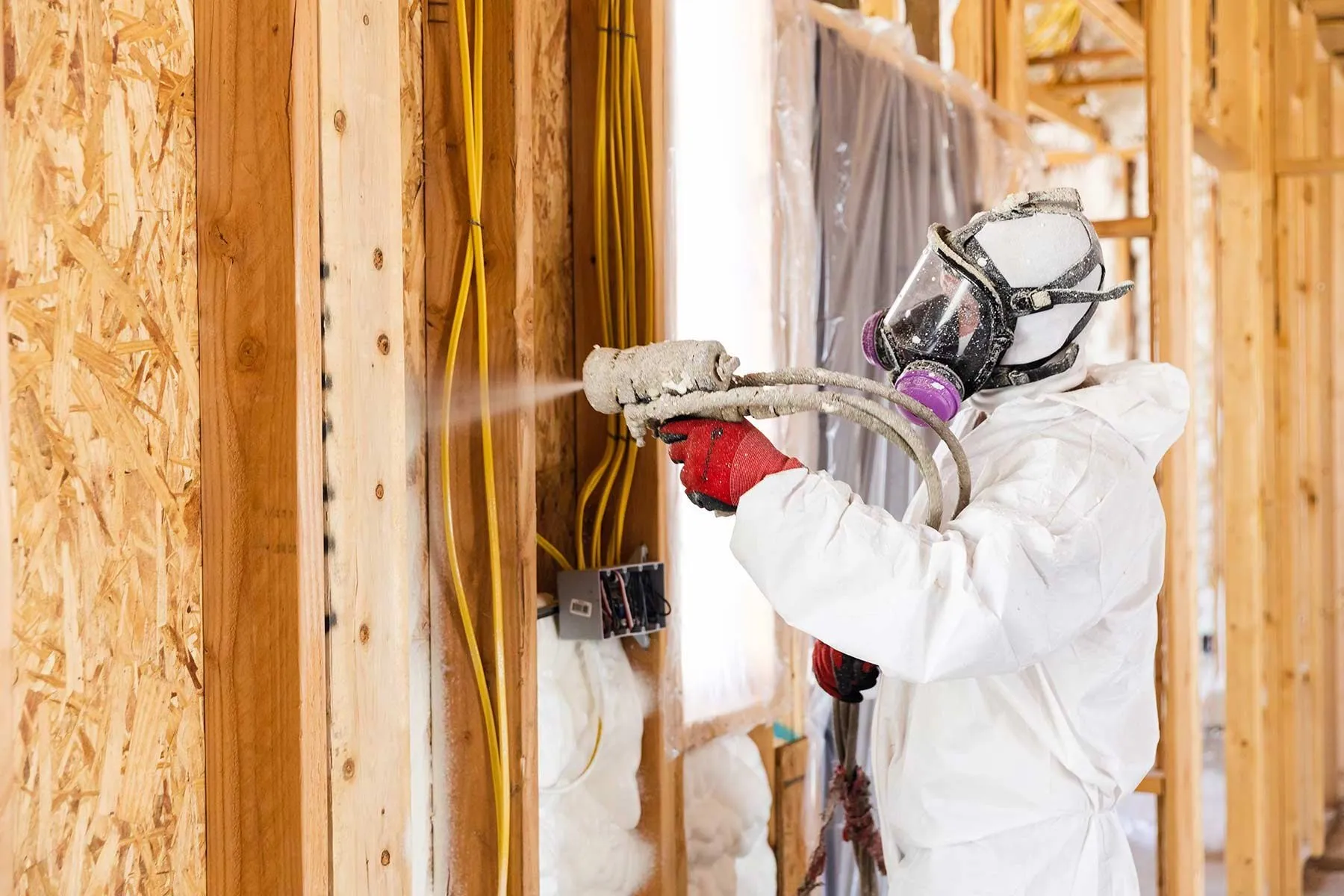
Spray Foam Insulation in Amarillo, TX
Spray foam can insulate and help limit unwanted air movement when the material, thickness and assembly are matched to the building.
Foam is not a one-size answer. The building decides the scope.
In the Texas Panhandle, a building can see strong wind, hail exposure, wide temperature swings and long stretches of dry weather. Those conditions make gaps, transitions and unsealed framing paths worth paying attention to.
Spray foam expands into irregular spaces and can help create a more continuous air-control layer where it is installed correctly. That makes it a serious option for roof decks, walls, additions, shops and commercial spaces.
The right approach depends on the surface, access, foam type, desired thickness, ventilation plan and what the property owner is trying to improve.
Learn how spray foam compares with other insulation choices before you decide on the scope.
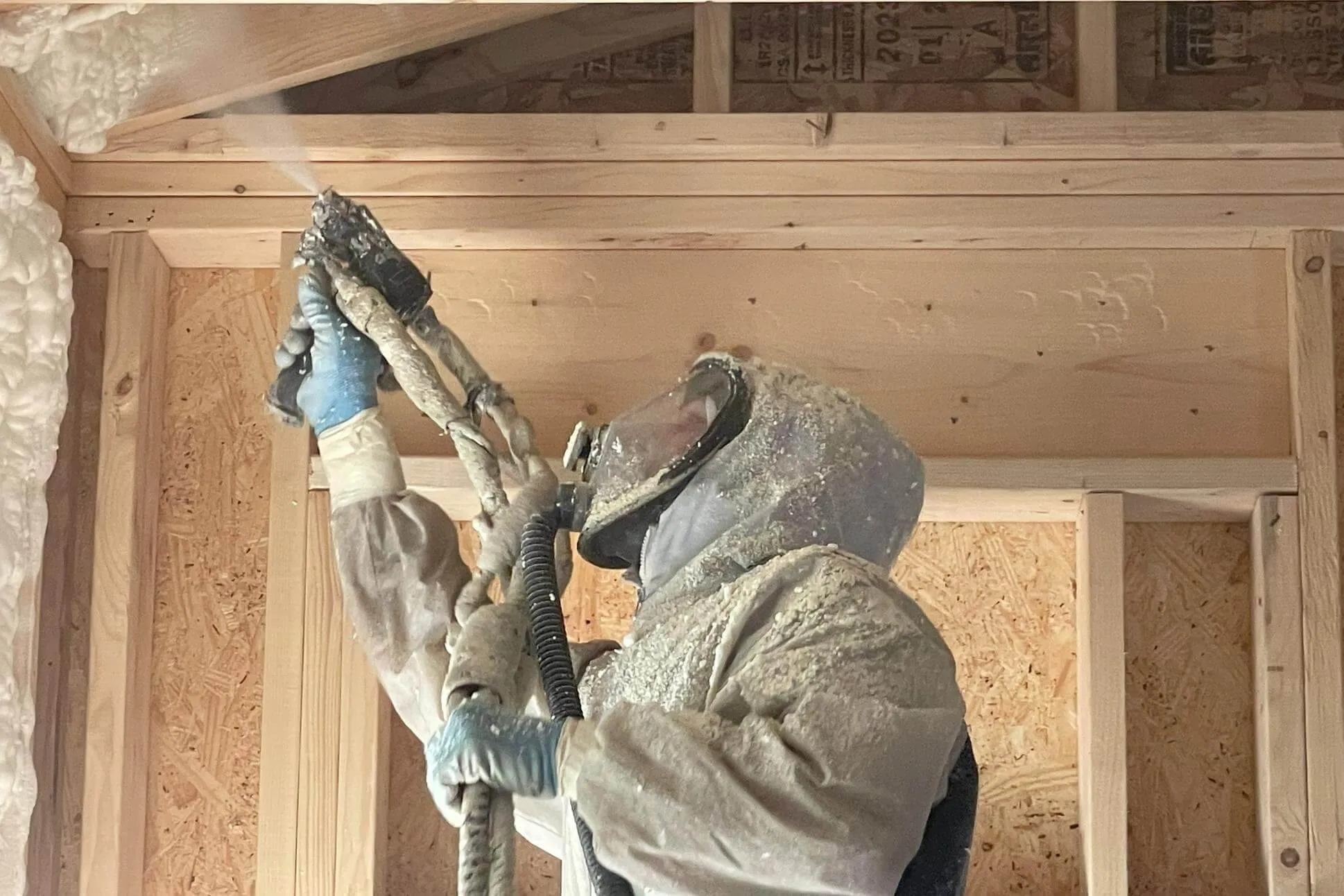
Why Amarillo buildings make air control matter
Wind finds gaps
Wind-driven air movement can make small leaks feel bigger. Foam can help seal irregular spaces when the assembly is appropriate.
Temperature swings stress comfort
Warm afternoons and colder nights put insulation and air sealing to work in both directions.
Metal and framed buildings behave differently
A shop, barn, garage or framed home may need a different foam type, thickness and prep plan.
Common project situations
- Open wall or roof assemblies in new construction
- Additions, garages and remodel areas with exposed framing
- Shops, barns and metal buildings
- Commercial spaces where access and scheduling can be planned
- Existing attics or roof decks that need evaluation before work begins
What needs to be decided
Open-cell or closed-cell
Neither material is automatically better. Density, vapor behavior, installed thickness and project goals determine which product belongs in the assembly.
Roof deck, wall or full envelope
Some projects only need one area addressed. Others need a broader plan because air moves through several connected paths.
Retrofit or new construction
Existing buildings bring access, removal and preparation questions. Open framing allows a cleaner plan before finishes are installed.
What affects the estimate?
Price should not be guessed from a page. These are the variables that usually affect the written scope.
- Square footage and application area
- Foam type and installed thickness
- Access, masking and preparation
- Existing insulation or surface conditions
- Retrofit complexity versus open construction
Spray Foam Insulation FAQ
Is spray foam right for every building?
No. It depends on the assembly, access, moisture strategy and project goal. A good estimate starts by looking at the building.
Can spray foam help with drafts?
Spray foam can help reduce unwanted air movement where it is installed as part of an appropriate air-control plan.
Do I need to choose open-cell or closed-cell before calling?
No. You can start with the problem you want to solve. The foam type should be selected after the area and assembly are understood.
Can spray foam be installed in an existing building?
Often, yes, but access and existing materials matter. Some retrofit work is straightforward, and some spaces need more evaluation first.
Keep comparing the fit
Want to talk through spray foam insulation?
Describe the property and what you are trying to improve. Advanced Spray Foam Applications, LLC can help identify the next step.